Dog Whisker Function: Why They Matter
Dog Whisker Function: Why They Matter
Dog whisker function is genuinely sensory. These specialized hairs, called vibrissae, act like a radar system, helping dogs detect nearby objects, air currents, and movement. They should never be trimmed or plucked, since doing so can disorient a dog and interfere with how safely it navigates its surroundings.
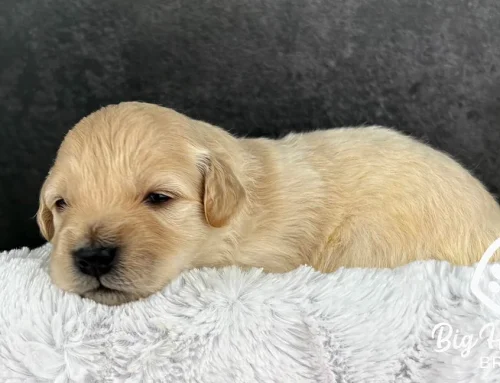
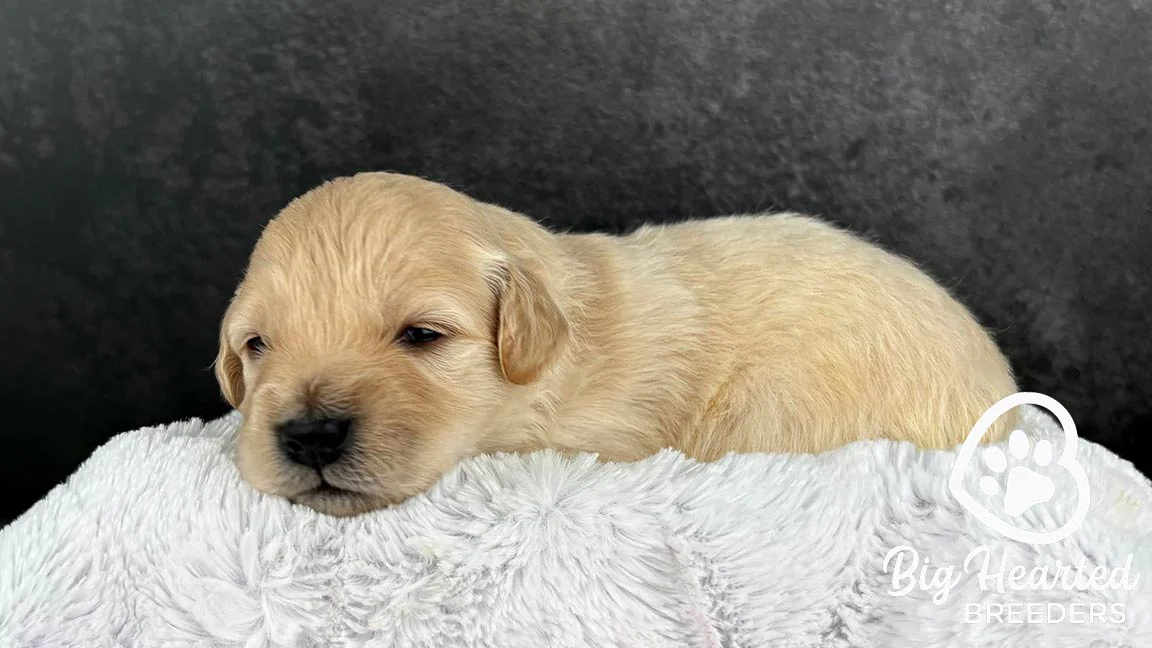
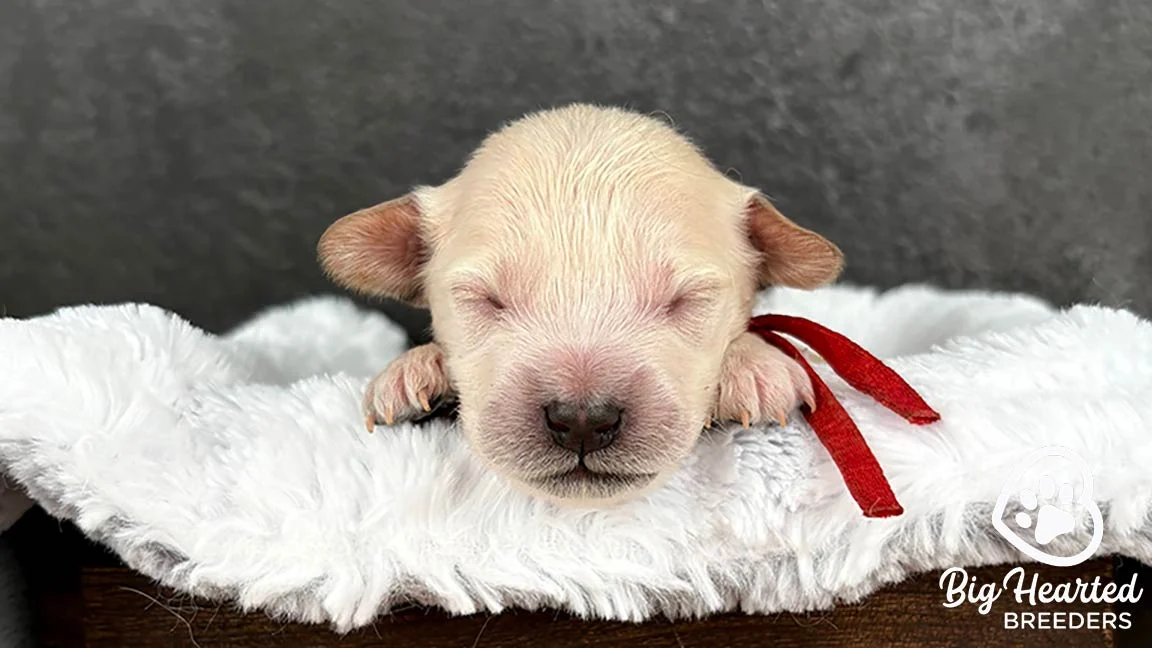
I get asked about dog whisker function more than you might expect, usually from families noticing just how sensitive their Mini Golden Retriever puppy seems around the muzzle during those very early days covered in early neurological stimulation. Dog whisker function is one of those small details that reveals just how sophisticated a dog’s sensory world really is, and understanding it changes how you think about handling and grooming your dog.
What Dog Whisker Function Actually Does
Dog whisker function centers on detecting the world through touch and air movement rather than direct contact. The American Kennel Club explains that whiskers, technically called vibrissae, serve as an early warning device, alerting a dog to nearby objects and helping prevent collisions before actual physical contact occurs. As a dog approaches a wall or object, disturbed air bounces back and bends the whiskers slightly, giving the dog information before they ever touch anything.
Where Whiskers Are Located and Why It Matters

Dog whisker function depends on where these specialized hairs are positioned. Whiskers typically appear above the eyes, on the cheeks, and around the muzzle and chin, each location serving a slightly different sensory purpose.
Whiskers Above the Eyes
VCA Animal Hospitals notes that when a tiny speck of dust or debris touches a whisker above a dog’s eye, the dog will typically blink or shake their head to remove it, a protective reflex that helps guard the eyes from irritation or injury.
Whiskers Around the Muzzle
Muzzle whiskers play a significant role in navigation and communication. A dog that feels threatened will often flare these whiskers forward, which is part of a broader defensive body posture, closely related to the signals I cover in dog body language.
The Science Behind Dog Whisker Function
Dog whisker function is more neurologically significant than most people realize. Whiskers are deeply embedded, rigid hairs connected to nerve-rich follicles, and a genuinely striking portion of a dog’s sensory brain area is dedicated to processing information from these hairs, one of many facts I share in 10 weird facts about dogs. Unlike the rest of a dog’s coat, whiskers do not actually feel sensation themselves; instead, they transmit vibrations and movement to sensory cells that relay the information directly to the brain.

Why You Should Never Trim a Dog’s Whiskers
Understanding dog whisker function makes it clear why trimming or plucking whiskers is not simply a cosmetic choice. Whiskers help dogs navigate safely inside and outside the home, and removing them can genuinely disorient a dog and affect how confidently they move through their environment, especially in dim lighting or unfamiliar spaces.
Grooming Around Whiskers
When petting or grooming your dog, whiskers should always be touched gently, along the natural direction of growth, and never pulled or cut, something I emphasize as part of early grooming conditioning with every litter. Some show ring grooming standards call for whisker trimming to achieve a particular look, but this remains a matter of personal or competition preference rather than a health necessity.
How Dog Whisker Function Relates to Overall Sensory Awareness

Whiskers are just one part of a dog’s broader sensory toolkit, working alongside their nose and ears to build a complete picture of their surroundings, something I explore more in dogs’ sense of smell and behavior. A dog navigating a dark room or an unfamiliar space relies on this combined sensory input far more than most owners realize, which is part of why gentle, careful handling of a puppy’s face during early development matters so much.
A Note From Heather
I handle every puppy in my care from the very first days of life, a philosophy I explain more on my about page, and dog whisker function is one of those details I pay close attention to during that early handling. Watching how a young Mini Golden Retriever puppy’s whiskers respond to gentle touch, alongside expressions I explore in ”Do dogs really smile?”, is actually part of how I assess a puppy’s overall sensory development and comfort with handling, which ties directly into the ENS and Puppy Culture work I do with every litter before puppies ever go home. If you have more questions about my approach, my FAQ page is a good place to look.
Frequently Asked Questions
Do all dogs have whiskers in the same places?
Most dogs have whiskers above the eyes, on the cheeks, and around the muzzle and chin, though the exact pattern can vary somewhat by breed.
Does trimming a dog’s whiskers hurt them?
Trimming itself is not painful since whiskers do not have pain receptors in the hair shaft, but it can temporarily affect a dog’s sensory awareness and navigation.
Why do dogs flare their whiskers forward sometimes?
This typically happens when a dog feels threatened or alert, and it is part of a broader defensive body language response.
Are dog whiskers connected to the nervous system?
Yes, whisker follicles are richly supplied with nerve endings and connect to a disproportionately large area of a dog’s sensory brain region.
Should groomers avoid a dog’s whiskers during a haircut?
Generally, yes, since whiskers serve a genuine sensory function, though some show ring standards do call for whisker trimming as part of a specific competition look.