Why Do Dogs Snore And What Does It Really Mean
Why Do Dogs Snore And What Does It Really Mean
If you are wondering why do dogs snore, the short answer is that most of the time it is harmless airflow vibration caused by a dog’s sleeping position or anatomy, and only occasionally does it point to a health concern. That is the quick version, but let’s unpack it so you know when to relax and when to pay closer attention.
Snoring is surprisingly common across breeds, personalities, and sleep habits. Even the most athletic Mini Golden Retriever can drift into a deep sleep and rumble like a tiny, gentle freight train. At Big Hearted Breeders, we see plenty of puppies learning how to settle into their new homes, and snoring is often just part of their cozy nighttime soundtrack. Still, there are moments when snoring warrants a second look, especially if it suddenly changes or is accompanied by other symptoms.
Common reasons dogs snore
Most dogs snore for simple, non-dramatic reasons. These tend to be the ones owners notice early on.

Sleeping position
A dog sleeping on their back often snores louder because their tongue shifts backward and partially blocks airflow. It is not glamorous, but it is normal. If your dog flips over and the sound quiets down, it is nothing to stress about.
Relaxed airway muscles during deep sleep
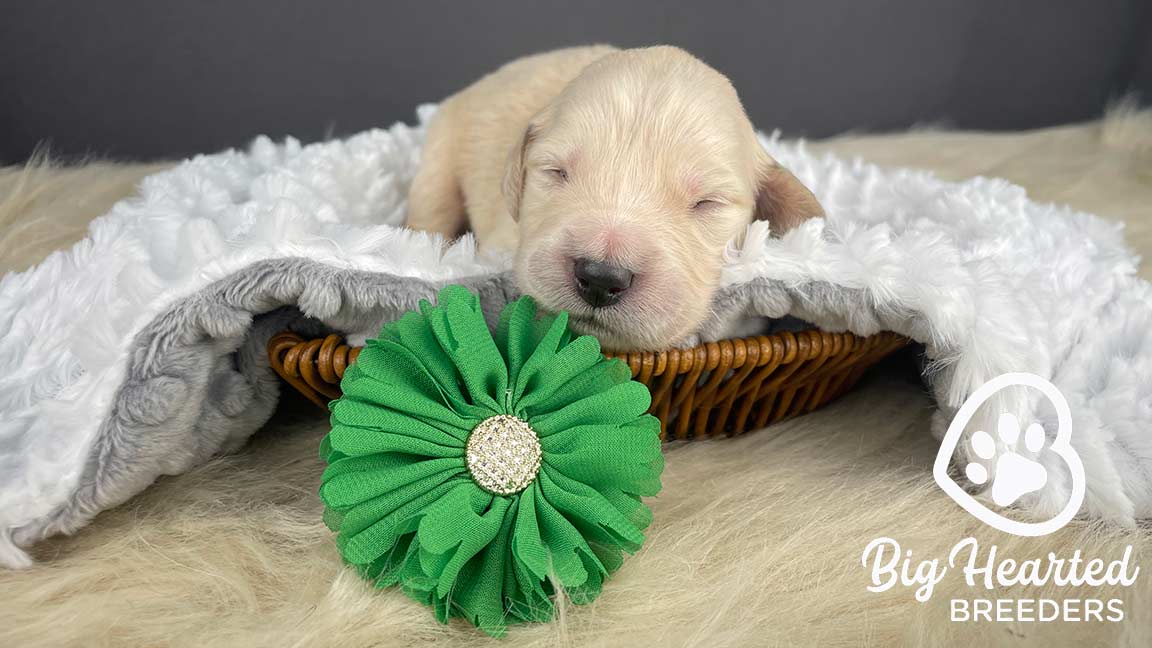
Just like people, dogs experience deeper stages of sleep where everything relaxes. A relaxed airway vibrates, and vibration leads to snoring. Puppies especially sleep deeply and hard, so snoring often shows up more during those early months.
Allergies and seasonal irritation
Dogs can have pollen, dust, or environmental allergies that cause airway swelling and extra vibration. Mini Golden Retrievers, with their soft coats and active lifestyles, can easily pick up irritants. A gentle wipe down after outdoor play and a clean living environment can help. PawTree Salmon and Pollock Oil also supports overall respiratory wellness by promoting healthy skin and reducing inflammation from environmental triggers.
Minor congestion
A mild cold or temporary nasal stuffiness can make any dog snore more than usual. As long as they are eating well, acting normal, and the congestion passes quickly, it is typically nothing more than a temporary annoyance.
When snoring is normal
Most of the time, the answer to why do dogs snore is as simple as anatomy and sleep style. Normal snoring usually comes with predictable patterns that do not disrupt your dog’s life.
It only happens when they are deeply asleep
If your dog snores only during certain sleep cycles but breathes quietly when awake, that is standard.
Their energy, appetite, and behavior stay the same
Normal snoring does not interfere with daytime life. Your dog should still want to play, go outside, and eat with enthusiasm.
It has been the same since puppyhood
Some dogs simply snore their whole lives. If it has never changed, it is likely nothing concerning.
When snoring might be something to worry about
Now for the part no one loves, but everyone needs to know. Sometimes snoring shifts from harmless to something worth investigating.

Sudden changes in snoring volume or pattern
A major increase in noise or frequency can signal inflammation, infection, or obstruction. If your dog suddenly sounds like a congested bear overnight, take note.
Snoring combined with breathing difficulty
Labored breathing, heavy panting at rest, or pauses in breath are never normal. These symptoms need prompt veterinary attention.
Snoring paired with low energy
If your dog is sleeping more than usual, refusing meals, or seems lethargic, the snoring might be part of a bigger issue.
Chronic allergies or frequent infections
Dogs with unmanaged allergies may develop swollen airways, worsening snoring. Long-term inflammation can affect quality of life, so it is worth discussing with your veterinarian. PawTree Gastro Pro Plus and healthy nutrition support immune balance and may help reduce the frequency of flare ups.
Breed tendencies and lifestyle factors
Certain breeds with shorter muzzles are more prone to snoring, but even Mini Golden Retrievers can have their moments. Weight also plays a role. Extra body fat around the neck or chest can restrict airflow and create louder snoring.
Environmental factors matter too. A dry room, dusty bedding, or poor air circulation all contribute to snoring. Keeping your dog’s space clean and using a humidifier in winter can make a noticeable difference.
What you can do at home
Fortunately, many cases of dog snoring are easy to manage with simple changes.

Adjust their sleeping position
A supportive dog bed can encourage healthier alignment. Some pups naturally choose positions that reduce airway blockage once they have comfortable options.
Maintain a healthy weight
Mini Golden Retrievers thrive when kept lean and active. Extra weight stresses the respiratory system and increases snoring.
Support overall wellness with good nutrition
We strongly recommend PawTree food and supplements because quality nutrition directly influences breathing, energy, skin health, and inflammation. A well-nourished dog often sleeps more comfortably and quietly.
Keep the environment clean
Vacuum regularly, wash bedding, and keep dust under control. Simple habits go a long way.
Monitor changes
If your dog’s snoring starts evolving, make a quick note of what you are seeing. Patterns help your vet make accurate decisions.
Our experience as breeders
We have raised enough Mini Golden Retrievers to confidently say that most snoring is harmless. Puppies especially tend to fall asleep after a big training session or outdoor adventure and snore like they have worked a full-time job. Owners often send us videos thinking something is wrong, and most of the time it is just a pup in deep relaxation.
That said, we have also seen cases where a sudden spike in snoring led to the discovery of an allergy flare or a mild respiratory infection. Consistency and observation matter. You know your dog best, and anything that feels off is worth checking.
When to call the vet
If you are still wondering why do dogs snore after making simple home adjustments, or if your dog shows any of these symptoms, reach out to your veterinarian:
- Noticeably louder snoring that does not improve
- Difficulty breathing while awake
- Loss of appetite
- Extreme lethargy
- Blue-tinted gums
- Snoring combined with coughing or gagging
Trust your intuition. If it feels wrong, it is better to ask.

FAQ
Why is my dog suddenly snoring at night?
Congestion, allergies, inflammation, or airway obstruction can cause sudden snoring. If it does not improve quickly, have a vet take a look.
Is it normal for puppies to snore?
Yes, many puppies snore while their bodies are growing and their sleep cycles run deep. If the snoring stays consistent and your puppy is healthy, it is normal.
Can snoring mean my dog is overweight?
Yes, extra weight can restrict airflow and make snoring more pronounced. A healthy diet and proper activity usually help.
Should I wake my dog if the snoring sounds intense?
No, unless they appear distressed. Loud snoring alone is not harmful.
When should a vet check snoring?
If the snoring begins suddenly, worsens, disrupts breathing, or shows up with low energy or appetite changes, a vet visit is the safe choice.